Island Packing Checklist for a Two-Week Trip: What to Bring and What to Leave Behind
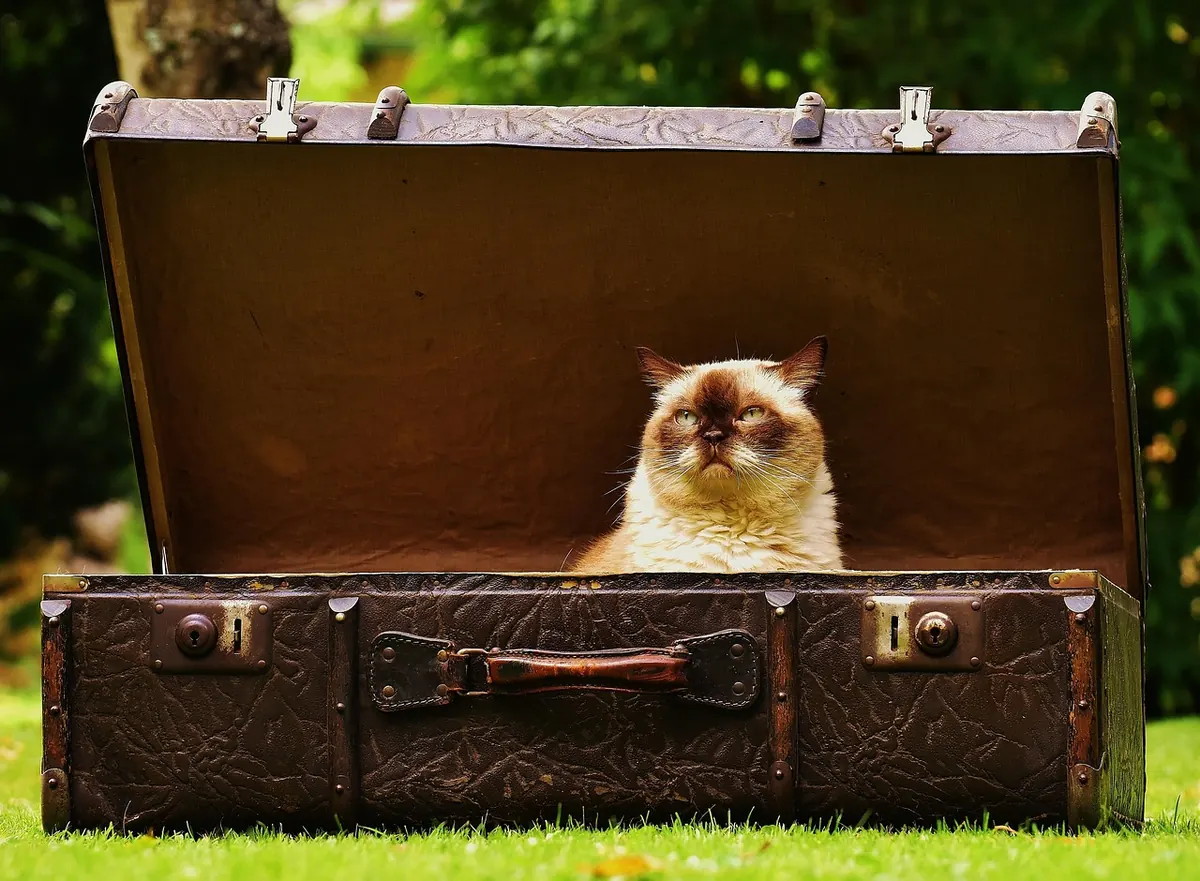
Packing for two weeks on an island is not the same as packing for two weeks in a city. There is salt in the air, sand in everything, and a humidity that turns yesterday's T-shirt sour by lunchtime. The instinct is to pack for every eventuality; the result is a bag you can hardly lift and a pile of clothes that come home unworn. What follows is built around what island weather actually does to fabric, skin and electronics — and around the things that almost always get left at the bottom of the case.
Two weeks on Tiree and two weeks in the Maldives have almost nothing in common. One needs a waterproof coat and midge repellent; the other needs shade, reef-safe sunscreen and a spare swimsuit. Before you pack anything, decide which island you are actually visiting: an Atlantic island with four seasons in a day, a dry Mediterranean island with hot afternoons, or a tropical island where the rain arrives in heavy twenty-minute bursts and then clears.
The one constant is humidity. It makes cotton heavy and slow to dry, so anything worn once tends to stay damp at the bottom of a bag. Choose fabrics that dry overnight — merino, linen blends, technical synthetics — and plan to rinse a few things in the sink rather than carry fourteen days of outfits. Most guesthouses and small hotels will run a bag of laundry for a modest charge, and laundrettes exist on even quite small islands. Pack for seven or eight days and wash once or twice.
This is the list that fits in a carry-on if you are disciplined, and in a medium case if you are not.
Island paths are often sharp, loose or wet, and a blister on day two ruins a fortnight. Bring shoes you have worn for a full day before, not shoes you bought for the trip. A pair of light reef shoes or old trainers is worth the space if you will be walking over coral or rocky shorelines.
Overpacking on islands almost always looks the same. Leave these at home unless you have a specific, named reason to bring them.
Before any doubtful item goes in, ask whether you could buy it on the island for less than the cost of an extra checked bag. Almost always, the answer is yes.
Small islands often have a clinic and a pharmacy, but stock is limited and brands differ from home. Carry what you reasonably need rather than relying on buying it there.
If you take regular medication, or you are travelling somewhere with specific health risks, speak to a pharmacist or travel clinic several weeks before you go. They can advise on vaccinations, antimalarials and whether any of your medicines need special documentation.
Salt, sand and humidity are unkind to electronics. A zip-seal bag costs nothing and has saved more phones than any case.
Leave the second charger, the tablet, the laptop and the portable speaker. Island evenings are quieter than you expect, and most people around you would rather keep them that way.
Packing cubes are not a gimmick; they compress soft clothing and stop everything exploding the moment you open the bag. Put the heaviest items low and close to your back in a rucksack, wear your bulkiest shoes and warm layer on the flight, and leave a little empty space. You will want it for the shell you picked up, the bottle of local rum or the spare pair of sandals you buy in the second week. Adopt a one-in, one-out rule as you go: something new comes in, something old goes out.
Weigh the bag and check it against your airline's allowance. Move medication, valuables and a spare set of clothes into hand luggage. Charge everything, download offline maps for the island, and photograph your passport, insurance details and bookings so you have copies stored somewhere other than the originals. Check that liquids in your cabin bag are within the limit and that nothing sharp has crept into a side pocket.
Then close the case and leave it. If something is still nagging at you, it is almost certainly the thing you do not need. The best-packed island bag has a bit of room in it, and nothing in it you would not happily carry up a hill in the rain.
Photo: Alexas_Fotos / Pixabay
Previous Post
How to Plan Your First Island Holiday: A Beginner's Guide to Budget, Climate and Travel Time
Next Post
Ferry or Flight? How to Compare Island Hopping Options in Europe