Ferry or Flight? How to Compare Island Hopping Options in Europe
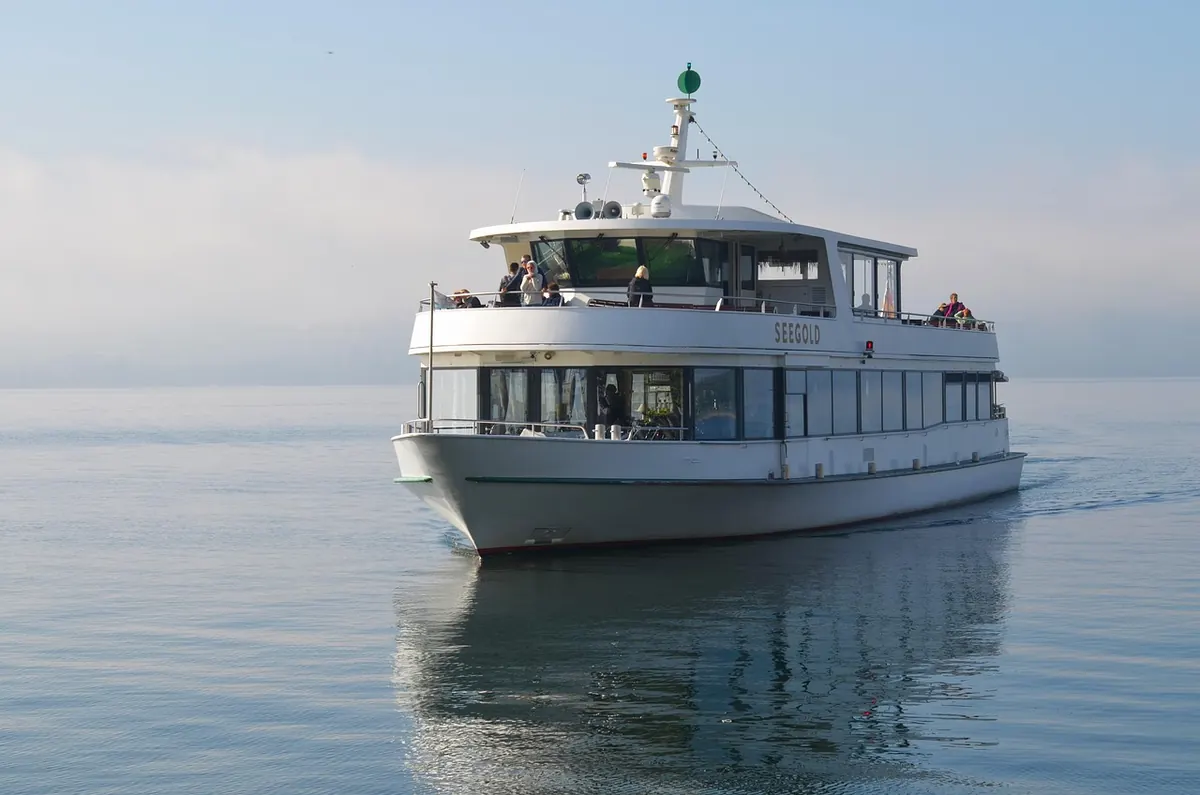
Some island hops take fifteen minutes and cost less than a round of drinks. Others swallow half a day, or cost more than your accommodation. The tricky part is that the same pair of islands can look completely different depending on whether you sail or fly — and the cheapest-looking option on a booking site is rarely the cheapest in practice.
Here is how to weigh up the two properly, using the numbers and the details that actually matter.
Distance over water is the single best predictor of which option wins. Short, sheltered crossings are almost always better by ferry: Paros to Naxos, Mallorca to Menorca, Sicily to the Aeolian Islands, most of the Scottish west coast. You turn up, walk on, and you are there before you have finished your coffee.
Longer crossings change the maths. A conventional ferry from Athens to the further Cyclades can take most of a day, while a flight takes under an hour. Island groups with big gaps between them — the Canaries especially — are built around inter-island flights for good reason.
The useful rule of thumb: under about two hours of sailing, the ferry rarely loses. Over five or six hours, the flight usually wins unless an overnight crossing saves you a night in a hotel.
Flight fares on European island routes can be startlingly low, which is why they often appear to win. Then the extras arrive. A cabin bag fee, a seat selection charge, a bus or taxi to an airport that sits well outside town, and suddenly the gap has closed.
Foot passenger ferry tickets are usually straightforward and inclusive. You pay for the crossing, you sit wherever you like, and the port is normally in the middle of the town you actually want to be in.
Prices and timetables change constantly, so treat any comparison you did last summer as out of date and check the operator's own site for your exact dates.
A forty-minute flight is rarely a forty-minute journey. Add getting to the airport, arriving an hour or more before departure, security, boarding, the flight itself, baggage reclaim and the transfer at the other end. On a small island route, that is often four hours or more from hotel to hotel.
Ferries have their own overheads, but they are usually smaller: turn up thirty to sixty minutes before sailing, walk on, and step off in the middle of town. On a short route, the ferry can genuinely be faster than flying, which surprises people who assume aircraft always win.
The exception worth knowing is the overnight crossing. A ferry that leaves at ten in the evening and docks at six in the morning turns travel time into sleeping time and saves a night's accommodation. It is uncomfortable if you book a reclining seat rather than a cabin, so decide early.
This is where ferries quietly dominate. Foot passengers generally carry their own bags, with generous allowances and no weighing scales at the gate. You may have to keep a large bag with you rather than check it in, but nobody is going to charge you for being two kilogrammes over.
Flights are the opposite. Cabin allowances vary between airlines and are enforced with measuring frames at the gate. If your trip involves dive kit, a bike, surfboards, walking poles or a tent, the ferry is often the only realistic option — and note that camping stove fuel cannot travel by air at all.
If the holiday only works with awkward, heavy or bulky kit, book the boat and stop agonising over the fare difference.
For cars and campervans, book ferry space well ahead in high season, especially on the busiest routes in July and August.
Both modes fail, but they fail differently. Flights to small island airports are vulnerable to strong wind — the summer meltemi in the Aegean is the obvious example — and to air traffic control disruption across Europe. Ferries are vulnerable to swell, which is mostly a winter and shoulder-season problem on exposed routes.
The important difference is recovery. Ferry routes usually run several times a day, so a cancellation may just mean waiting for the next sailing. A cancelled flight to a small island can mean the next day, or the day after that if the aircraft is stuck elsewhere.
If you have a fixed commitment at the other end — a wedding, a booked dive course, a long-haul flight home — build in a buffer day and make sure your travel insurance actually covers missed connections. Check the small print rather than assuming.
In August, everything is full and everything is expensive. Book the specific crossing or flight you need, not a vague intention to turn up.
Outside peak season, look closely at the actual date rather than the summer timetable. A route running twice daily in July may run three times a week in October, and winter inter-island flights can be just as sparse. A connection that works beautifully in high summer can leave you stranded for two days in November.
Most of the time, the answer becomes obvious once you have done those five steps. Short hops go by boat. Long gaps go by plane. Anything in between depends on your bags, your budget and how much a missed connection would cost you — and if the two options come out roughly level, take the ferry. You will see more, arrive in the middle of town, and start the holiday properly the moment you step off.
Photo: olleaugust / Pixabay
Previous Post
Island Packing Checklist for a Two-Week Trip: What to Bring and What to Leave Behind
Next Post
Shoulder Season Island Breaks: Why May and September Often Beat Peak Summer