Shoulder Season Island Breaks: Why May and September Often Beat Peak Summer
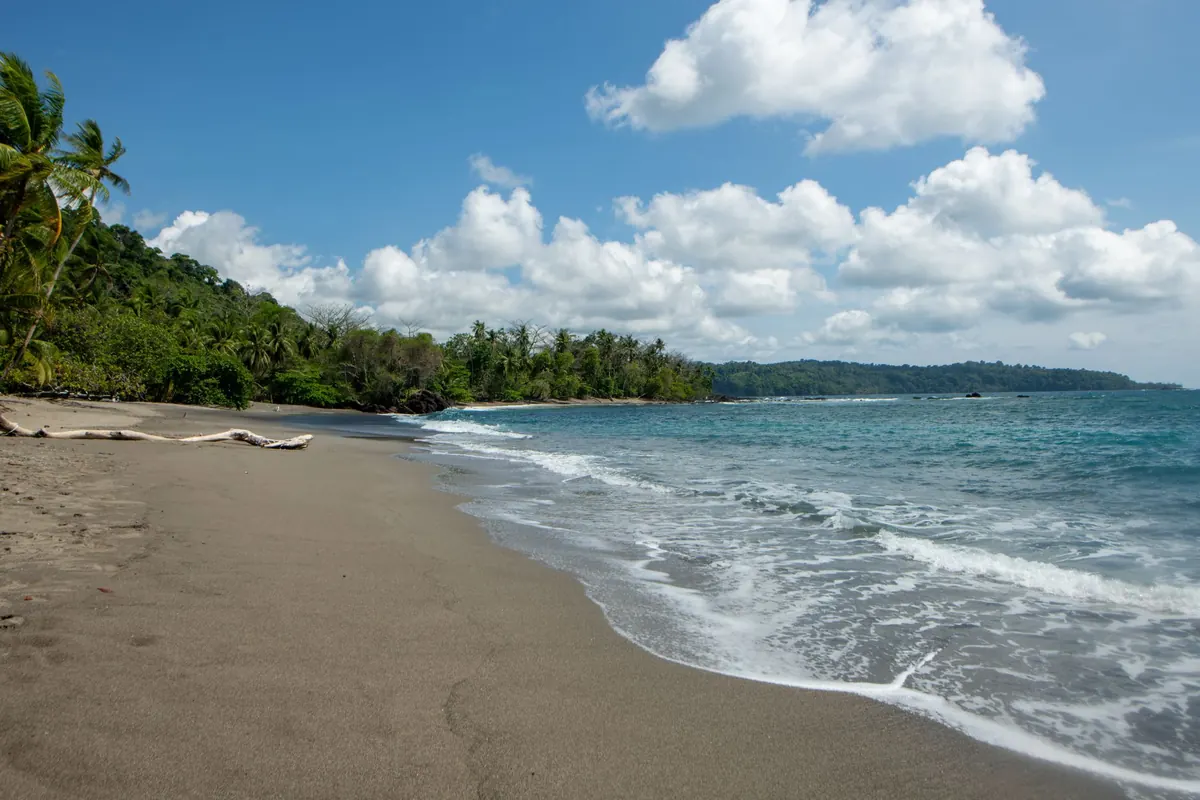
There is a certain kind of holiday photograph that gets shared every January: an empty cove, bright water, one set of footprints. Then August arrives and the same cove has two hundred people, a queue at the ice cream kiosk and no shade left. The island hasn't changed. The timing has. May and September sit either side of the summer crush, and for a lot of travellers they offer the better version of the same trip.
It isn't a fixed date on the calendar. In the Mediterranean, think late April to mid-June and mid-September to late October. In northern waters, the equivalent windows are May to early June and September, either side of the school holidays and the worst of the midge season.
The edges matter more than the label. Late May half-term in the UK lifts prices and crowds for a single week, and in parts of Europe the first days of September are still school holiday. Shift by a fortnight and the difference can be striking.
May and September are not simply "slightly worse July". They behave differently.
In May, air temperatures on most Mediterranean islands are pleasant for walking and sitting outside, though the sea lags a month or two behind the air and can still feel bracing. By September the water has had a whole summer to warm through, which is why so many swimmers prefer it. Evenings shorten quickly in September, so the long light of midsummer belongs to June and July.
The trade-off is consistency. A week in May can turn grey and windy, and an Atlantic island in either month can produce a proper rain belt. Build in slack. Don't schedule a boat trip or a long ferry hop for your first full day, and choose accommodation where a wet afternoon indoors won't feel like a punishment.
If swimming is the point of the holiday, mid-September to early October is often the sweet spot in southern Europe: warm water, warm air, quieter beaches. In the far north, May is the better bet for daylight, and September for water that hasn't yet lost the summer's edge.
The headline sights stay busy, but the texture of a day changes. In August, Oia at sunset, the walls of Dubrovnik or a Mykonos bus at 10am are exercises in patience. A few weeks later you can walk the same lanes at a normal pace, get a table without pleading, and hear the island rather than the crowd.
There's a local rhythm to it too. On many Greek and Croatian islands, September is when residents who work the summer season finally take their own holidays, and tavernas fill with people who live there year-round. That's usually a good sign for the food.
Not everything gets cheaper, and it's worth knowing which bits do.
This is where shoulder season catches people out. Main archaeological sites, museums in larger towns and the principal ferry routes generally keep going. What thins out is everything seasonal: beach bars, boat-hire kiosks, diving schools, a family-run hotel or two, and the smaller inter-island ferries.
The practical move is to ask directly. Email your accommodation and ask which restaurants and boat operators are open during your exact dates — a question they can answer in a sentence and a guidebook can't. If a specific ferry route matters to your plan, confirm the sailing date and the last departure before you book flights. In the far north, some attractions only open between May and September, so the shoulder months may be your only chance rather than a compromise.
Shoulder season isn't automatically better. If you need guaranteed heat, if travelling with school-age children means you're tied to late July, if you want every water park and beach club running at full tilt, or if your itinerary depends on a ferry that only sails in high summer, then peak is doing a job nothing else can. The same applies to northern islands where May can still bite and September storms arrive early.
Book the middle of the trip solidly and leave the edges loose. That way a windy Tuesday becomes a day for the inland village rather than a problem.
May and September ask a little more of you: a check on opening hours, a flexible first night, a jumper in the bag. In return you get space, gentler prices and an island that feels lived-in rather than overrun. Pick your window with care, confirm the ferries, and the quiet version of the place is usually the one worth remembering.
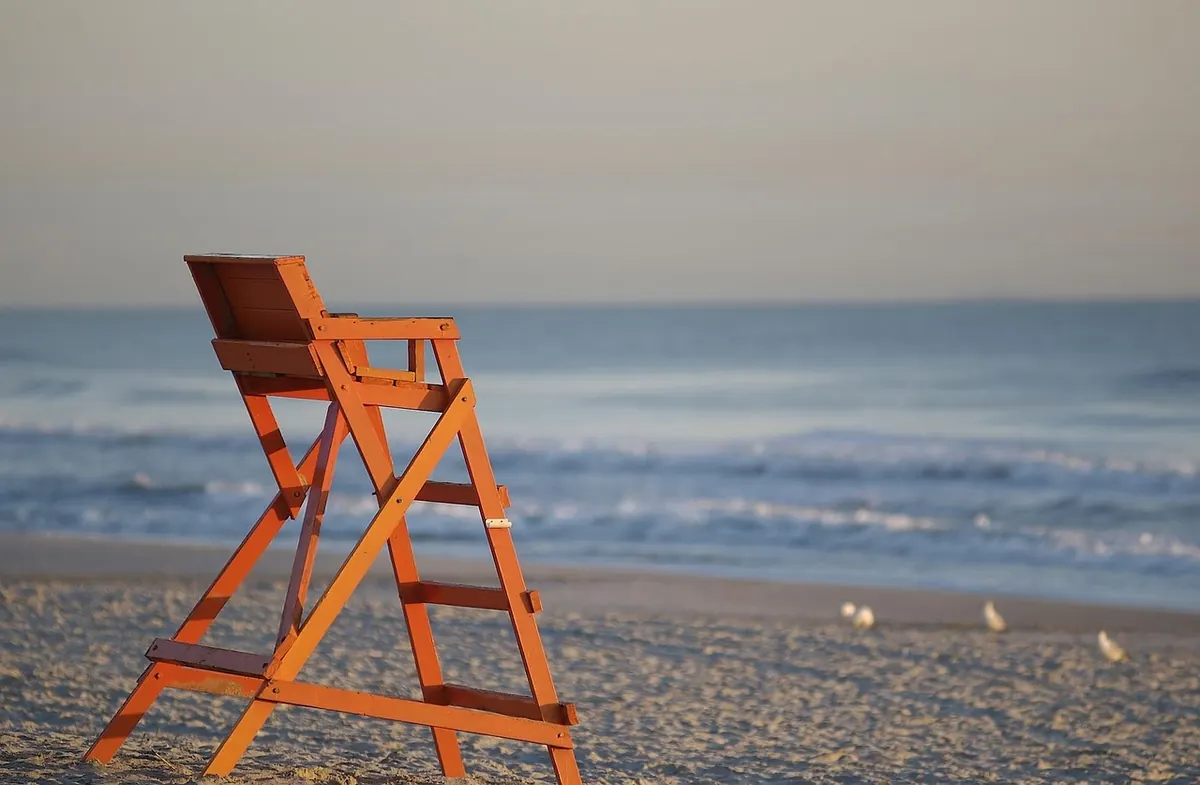
Photo: SteveRaubenstine / Pixabay
Previous Post
Ferry or Flight? How to Compare Island Hopping Options in Europe
Next Post
First-Time Island Hopping in Greece: Common Mistakes with Ferries, Ports and Luggage