First-Time Island Hopping in Greece: Common Mistakes with Ferries, Ports and Luggage
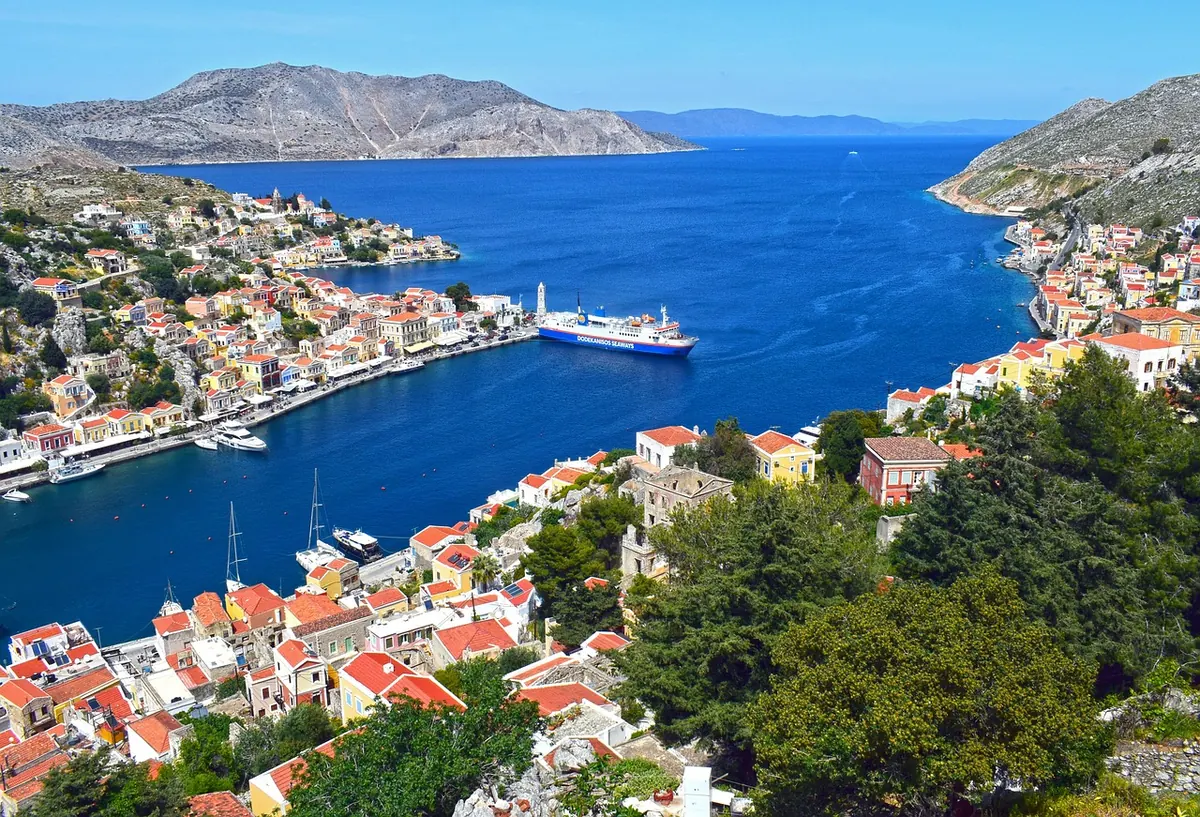
Greek island ferries are wonderfully ordinary to the people who use them every week, and quietly baffling to everyone else. The boat is rarely the problem. The trouble starts earlier: the wrong port, a ticket still sitting in an agent's drawer, a suitcase with a cracked wheel on a cobbled lane at noon.
None of these mistakes are disasters. They cost an hour, a taxi fare or a bit of the holiday mood. Here are the ones first-timers make most often, and how to sidestep them.
On a plane, a fifty-minute connection is tight but legal. Between two Greek ferry ports it is closer to a wish. Ferries load slowly, gates close before departure, and a sailing can slip by twenty minutes without anyone treating it as news.
Two rules cover most of it. First, never book a flight home on the same day as a ferry crossing. Give yourself a night on the mainland, or at least a full spare day. Second, treat the departure time on your ticket as the moment the boat would like to leave, not the moment you should arrive. For foot passengers, be at the gate 45 to 60 minutes early in high season. If you are taking a car, allow considerably more.
Also resist the urge to string six islands into seven days. Each move eats a morning: packing, the port, the crossing, the walk to the next room. Three islands in a fortnight will feel far more generous than five.
Athens is served by several ferry ports, and they are not interchangeable. Piraeus is the giant, with the widest choice of routes and departures. Rafina sits on the east coast, closer to the airport and handy for some Cyclades sailings. Lavrio covers a smaller set of routes. Which one you need depends on the island and the day.
The classic error is booking a hotel in central Athens and then discovering the sailing leaves from a port an hour away at seven in the morning. Check the departure port before you book accommodation, and if you have an early crossing, sleep near the port.
Islands have more than one place to dock, and the one you arrive at might not be the one you pictured.
Read the port name printed on your ticket, not just the island name, and check the distance to your accommodation before you arrive rather than after.
Many routes now issue an electronic ticket you simply show on your phone. Others do not. Tickets bought through an agency, or on certain routes, have to be collected in person from a kiosk or travel office near the port. Those offices keep odd hours, and the queue at nine in the morning is longer than you would like.
Before you travel, confirm three things: whether you need to collect anything, where from, and what you need to show. It is usually the booking reference plus the ID or passport used at booking. Make sure the name on the booking matches the travel document exactly, including any middle names. A nickname is charming; it will not get you on the boat.
Keep a screenshot of the ticket on your phone and a printed copy in your bag. Greek mobile coverage is good, but ports are crowded and batteries die at the worst moment. While you are asking, check whether anything extra is payable at the port itself – some bookings carry a small local charge that is settled on the quay.
You will carry every bag you bring up a flight of whitewashed steps at some point. A backpack beats a wheeled case on island lanes, and a smaller bag beats both.
How luggage works on board varies. On the big conventional ferries, you leave heavy bags on racks near the vehicle deck or hand them into the hold area, then find a seat upstairs. On high-speed catamarans, space is tighter and you generally keep your bag with you, so a bulky case becomes your neighbour for the crossing.
Whatever the boat, keep one small bag with you containing:
Put your name and phone number inside every bag. Ports and ferry racks are the classic place to leave a rucksack behind.
Check-in is often mid-afternoon while your ferry docks at eleven, and check-out is usually around noon while your ferry leaves at six. Most port towns have left-luggage offices or shops, and most guesthouses will hold bags for a few hours if you ask politely the day before. Do not assume – ask.
At larger ports, gates are numbered and the quay is long. Arriving at the right time but the wrong gate still means running with your bags. Ask staff which gate your sailing uses; announcements are often only in Greek, and the answer can change.
On conventional ferries, economy seating is usually a free-for-all – take a seat, but not a whole row for your bags. On high-speed ferries you generally have a numbered seat. On deck, hold on to hats.
When the boat docks, vehicles come off first. Stay clear of the ramp and wait your turn; pushing gets nobody anywhere faster.
Summer winds in the Aegean can be strong enough to cancel or reroute sailings, usually with little warning. This is not a reason to avoid ferries, but it is a reason to build slack into your plan. A spare day before an international flight is the single most useful thing you can book – and the one most people leave out.
Do those seven things and the ferries stop being a puzzle. They become what they are for everyone else: a slow, breezy, slightly chaotic part of the holiday that you will miss once you are home.
Previous Post
Shoulder Season Island Breaks: Why May and September Often Beat Peak Summer
Next Post
A Beginner's Guide to Caribbean Island Culture: Etiquette, Food and Local Customs